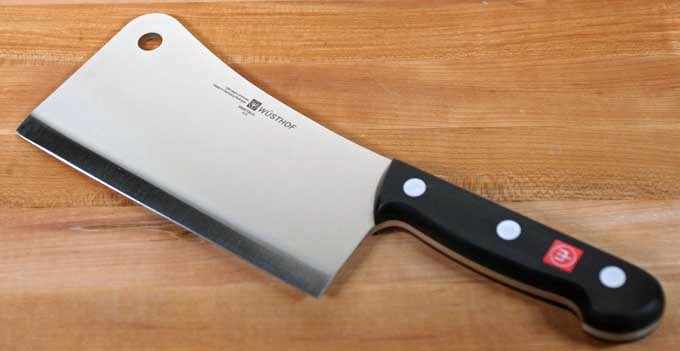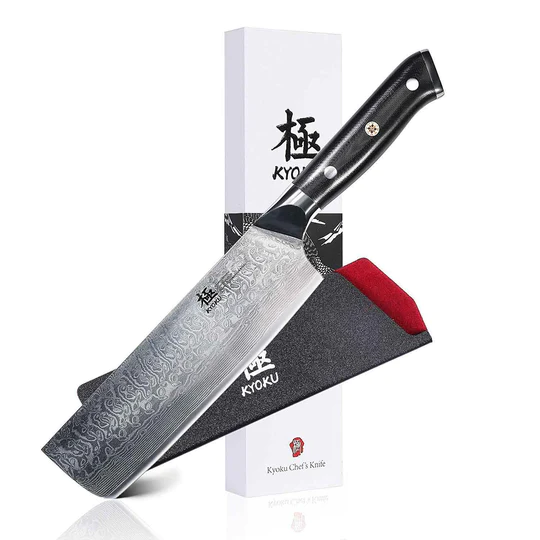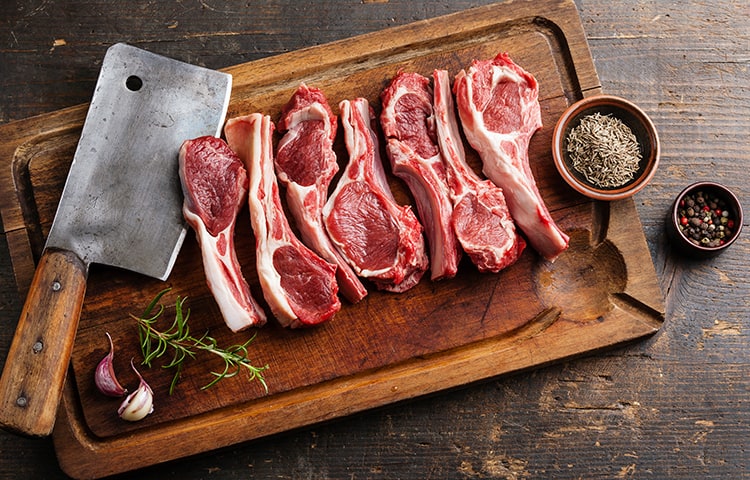



A meat cleaver is a heavy, rectangular knife designed to cut through bones, joints, and tough meat. Its thick, wide blade handles tasks regular kitchen knives cannot. Professional butchers and home cooks use cleavers to break down large cuts of meat and poultry.
The weight and design of a meat cleaver make it perfect for chopping through whole chicken, splitting ribs, and cutting through cartilage. The broad blade also works well for crushing garlic or transferring chopped ingredients from cutting board to pan. With proper care and sharpening, a good cleaver can last for decades.
When you choose a meat cleaver, focus on blade material and handle comfort. Carbon steel blades stay sharp longer but need more maintenance to prevent rust. Stainless steel requires less upkeep but may not keep its edge as long. The handle should feel secure in your grip since cleavers require more force than other knives. Heavier cleavers cut through bones easier, while lighter ones offer better control for detailed work.
Look for handles that feel comfortable in your hand. They should provide a secure grip when wet.
| Price Range | Features |
|---|---|
| Under $30 | Basic steel, simple handle |
| $30-60 | Better steel, improved balance |
| $60-100 | Premium materials, professional quality |
| Over $100 | Hand-forged, specialty steels |
The right cleaver depends on your cooking style and how often you will use it.
Knife Buzz tested a wide range of meat cleavers to find good options for home cooks. Our list includes cleavers with sharp blades, comfortable grips, and long-lasting performance for all your meat cutting needs.

We recommend this cleaver for home cooks who want a sharp, well-built knife without spending a fortune.
Pros
Cons
We used this Mueller cleaver to cut whole chickens and break down various cuts of meat. The blade sliced through joints and bones with surprising ease. The sharpness impressed us right out of the box.
The stainless steel construction feels solid in our hands. The ergonomic handle prevented slipping, even when our hands got wet from working with raw meat. After using it for several hours, we noticed less hand strain compared to other cleavers.
While the knife performs well, we found it lighter than most traditional cleavers. This makes it easier to control but reduces the chopping power for really thick bones. The blade maintained its edge beautifully after multiple uses, requiring minimal maintenance.

We recommend this cleaver for home cooks who want a sharp, well-balanced tool that handles most kitchen tasks without breaking the bank.
Pros
Cons
We used this cleaver to chop vegetables, slice meat, and crush garlic cloves. The blade glides through onions and carrots with minimal effort. The sharpness impressed us right out of the box.
The Pakkawood handle feels solid in our grip and doesn’t slip even when our hands get greasy from handling raw meat. The wide blade keeps our knuckles safely away from the cutting board.
During testing, the blade performed best on softer materials. When we tried cutting through thick beef bones, small chips appeared on the edge. The steel holds up well for everyday tasks but needs careful handling with harder materials.
We hand wash this cleaver after each use and dry it completely to prevent any rust spots. The high carbon steel responds well to sharpening when the edge eventually dulls.

We recommend this cleaver for home cooks who want a solid, affordable knife that handles basic chopping tasks well.
Pros
Cons
We picked up this cleaver expecting a basic tool and found it works better than we thought it would. The stainless steel blade came sharp right out of the box. It sliced through chicken thighs and pork ribs without much effort.
The weight surprised us in a good way. This knife has real heft, which helps when you’re chopping through tougher cuts. The extra weight makes each chop more effective than lighter knives we’ve used before.
The balance feels off though. The blade seems much heavier than the handle, which makes our wrist work harder during longer prep sessions. The handle gets slippery when our hands are wet from washing vegetables.
Cleaning this cleaver is simple since it’s dishwasher safe. We usually just wash it by hand since it’s faster. The hanging hole at the top is useful for storage, and we like having it within easy reach on our knife rack.

We recommend this cleaver for cooks who want a sharp, versatile knife that can handle both meat and vegetables with precision.
Pros
Cons
After using this cleaver for several weeks, we noticed how the razor-sharp edge glides through ingredients with minimal effort. The Japanese steel construction holds its edge well even after cutting through tough vegetables and partially frozen meat.
The ergonomic handle design makes a difference during extended prep work. Our hands stayed comfortable even when chopping large quantities of vegetables for meal prep. The weight feels substantial without being too heavy, giving us confidence when making precise cuts.
Storage became our biggest challenge with this cleaver. The wide blade doesn’t fit in most knife blocks or drawer organizers. We had to find alternative storage solutions to keep the blade protected and our fingers safe when reaching into drawers.
This knife needs hand washing and regular sharpening. We keep it dry immediately after washing to prevent any spotting on the blade. The sharpness can be intimidating at first, so take your time until you get used to handling it safely.

The Paudin cleaver delivers solid performance for both meat cutting and vegetable prep at a reasonable price.
Pros
Cons
We tested this cleaver on whole chickens and thick root vegetables. The blade sliced through cartilage and bones with minimal effort. The 16-degree angle on each side creates a razor-sharp edge for tough cutting jobs.
The Pakkawood handle gave us a secure, comfortable grip. Even after chopping vegetables, our hands didn’t cramp or slip. The weight feels balanced, though some users might want more heft for heavy-duty tasks.
This cleaver handles many kitchen jobs. We used it to flatten garlic, slice tomatoes, and break down a whole chicken without switching tools. The wide blade makes it easy to transfer chopped ingredients from cutting board to pan.
The high-carbon stainless steel blade has stayed sharp and free of rust after months of use. We appreciate the lifetime warranty for added peace of mind.

The Huusk Japan Knife offers impressive sharpness and eye-catching design at a reasonable price, making it a good choice for home cooks who want style and function.
Pros
Cons
This cleaver came extremely sharp out of the box. The high carbon steel blade sliced through chicken and beef without dragging or tearing. The weight provides good control during chopping tasks without feeling heavy.
The oak handle felt comfortable, even after 20 minutes of use. The three rivets keep the handle secure.
The thick blade makes detailed work difficult, and we struggled with thin vegetable slices. This knife needs immediate drying after each use to prevent damage.
The leather sheath protects the blade and your hands during storage or transport. The build quality exceeded our expectations for this price range.

This knife is a good choice for home cooks who want a sharp, reliable cleaver for meat and vegetables.
Pros
Cons
We used this Victorinox cleaver for several months and it delivered clean cuts through chicken, pork, and beef. The 7-inch blade glides through vegetables without crushing them. The knife feels well-balanced in our hands.
The red plastic handle stayed comfortable during long prep sessions. We never experienced slipping, even with wet hands. The straight edge holds its sharpness much longer than our previous cleavers.
This knife works best for boneless meats and vegetable prep. We found it perfect for dicing onions and slicing tough cuts of meat. The wide blade also makes it easy to scoop up chopped ingredients.

This heavy-duty cleaver performs well for most kitchen tasks, but it needs regular maintenance to prevent rust.
Pros
Cons
We tested this cleaver on tough kitchen jobs and found it handles most heavy-duty tasks well. The weight feels right when chopping through chicken bones or breaking down large cuts of meat. The blade holds its edge better than many stainless steel knives.
The high carbon steel blade needs extra care. We oiled and dried it after each use to prevent rust. This routine takes more time than standard knife care.
The wooden handle provided good grip control, even when wet. The full tang design felt solid and balanced. However, the handle finish felt rough during longer prep sessions.
We used this cleaver for chopping vegetables and splitting chicken carcasses. It performed well, though we needed to sharpen the blade after heavy use. The 7.5-inch size fits most home kitchens without taking up much space.

This cleaver is a good option for home cooks who want a solid, budget-friendly tool for basic meat cutting tasks.
Pros
Cons
We tested this cleaver on various meats and found it handles most kitchen tasks well. The 8-inch blade sliced through chicken bones easily. The weight feels substantial but manageable for short cooking sessions.
The wooden handle fits comfortably and provides a secure grip, even when wet. The hanging hole makes storage simple and keeps the counter clear.
Cleaning took extra effort at first because of the factory grease. Once we removed it, daily maintenance became easy. The stainless steel blade wipes clean quickly after each use.
This cleaver works best for home cooks who cut meat occasionally. We found it struggles with very thick bones or frozen items. The price makes it a good starter cleaver for learning knife skills.

This cleaver suits serious home cooks who need a heavy-duty tool for tough chopping tasks.
Pros
Cons
We tested the Dalstrong Obliterator with chicken bones and tough vegetables. The weight does most of the work. One solid chop goes through chicken joints that would need sawing with a regular knife.
The blade arrived razor sharp and stayed that way through weeks of use. We found it effective at slicing vegetables too. The tall blade gives plenty of knuckle clearance, making chopping safer and more comfortable.
The wooden stand looks great on the counter and keeps the blade protected. However, the smooth handle becomes a problem when your hands get wet or greasy. We had to wipe it down often during meal prep to keep a secure grip.

Weight is the most important factor for heavy duty cleavers. We recommend blades between 1.5 to 2.5 pounds for effective bone cutting.
The blade should be made from high-carbon steel or stainless steel. High-carbon steel holds a sharper edge but requires more maintenance. Blade thickness should be at least 4mm for durability. Thicker blades resist chipping when cutting through joints and bones.
Handle comfort matters during extended use. Look for ergonomic grips with non-slip materials like textured wood or rubber.
Traditional meat cleavers handle bones, joints, and tough cartilage better. Chinese cleavers are thinner and lighter than traditional meat cleavers. They typically weigh 8-12 ounces compared to 1.5-2.5 pounds for meat cleavers.
The Chinese cleaver blade profile is more rectangular with less curve. This design works better for chopping vegetables and slicing cooked meats. They also excel at mincing garlic and creating uniform cuts.
Victorinox cleavers use Swiss-made stainless steel that resists corrosion well. The Swiss Steel holds an edge longer than many competitors in the same price range.
Victorinox prices typically run 20-30% higher than comparable Chinese-made cleavers. However, the build quality justifies the cost for regular users. The brand also offers excellent warranty support and blade sharpening services.
Japanese cleavers cost more than Chinese cleavers but they offer superior steel quality. Japanese cleavers like the Tojiro DP Cleaver offers exceptional sharpness with VG-10 steel construction. This blade provides good balance between power and control.
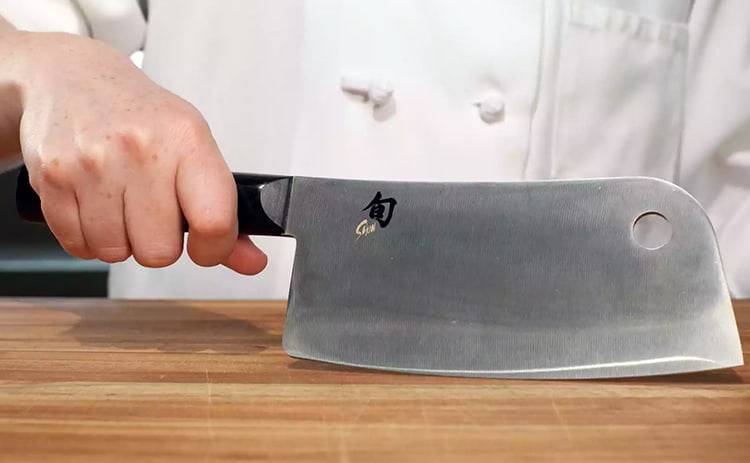
The Kai Shun Classic Cleaver features Damascus steel with a 16-degree edge angle. This creates razor-sharp cuts while maintaining durability for professional kitchens.
And the Global G-12 Cleaver weighs delivers precise cuts. The hollow handle design reduces fatigue during extended use.
The Winco KC-401 Chinese Cleaver offers excellent bone-cutting power at 2.2 pounds. Its wide, heavy blade generates enough force for chicken bones and small joints.
For larger bones, we suggest the Mercer Culinary M20607 Genesis Cleaver. It weighs 2.5 pounds and features a 7-inch blade designed for butcher work.
The Dexter-Russell S5197 Traditional Cleaver provides professional-grade performance. Its 8-inch blade and balanced weight make bone cutting easier.