Your knife sharpening steel keeps your blades sharp, but it needs regular cleaning to stay effective. Metal particles from your knives stick to the steel’s surface during use, which can make it less effective over time.
Check out the best tips to keep your sharpening steel in top shape.
Three proven methods remove metal particles and debris from your honing steel: vinegar wiping, detergent soaking, and heat sterilization. Each technique targets different levels of buildup to restore your sharpening steel’s effectiveness.

The vinegar cleaning method is easy and works well for regular maintenance after each knife sharpening session. You need only white vinegar and a clean cloth for this technique.
This method works best for light cleaning after normal use. Heavy buildup may need stronger cleaning approaches.
Detergents with acidic properties can corrode your sharpening steel and cause damage. Choose alkaline-based detergents without chlorine or bleaching agents for safe cleaning.
Soft plastic bristles clean effectively without causing harm. Never use metal brushes as they can damage the steel’s surface.
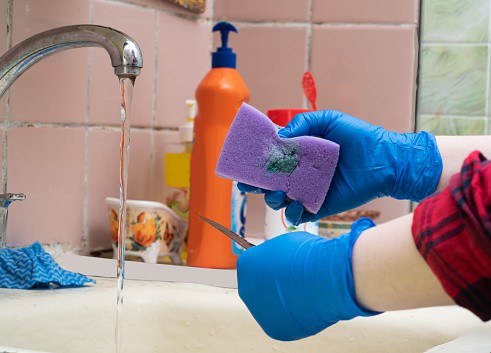
Heat sterilization removes stubborn buildup when other methods fail. Some brands of sharpening steel include information on the right temperature for sterilization, usually between 50-70 degrees Celsius.
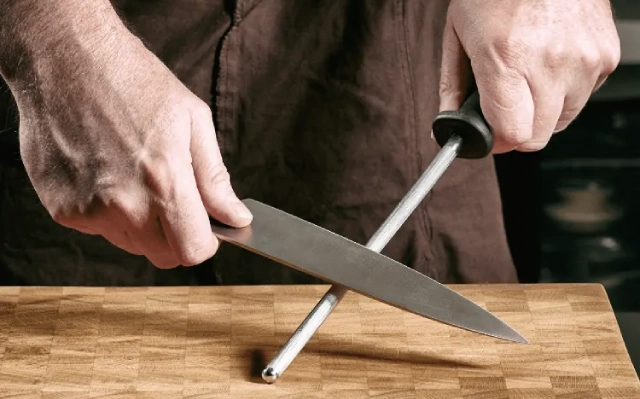
Metal particles accumulate on your sharpening steel during each use and can damage your knife blade over time. Proper drying prevents rust, and correct storage maintains the steel’s effectiveness and extends its lifespan.
Metal filings from your knife blade stick to the sharpening steel’s surface after each honing session. These particles create an abrasive layer that can scratch your knife blade instead of smoothing it.
Wipe your steel immediately after each use with a damp cloth. The particles come off easily when fresh but become harder to remove once they dry.
Weekly deep cleaning removes stubborn buildup:
Never use steel wool or abrasive cleaners on your sharpening steel. These materials damage the steel’s surface and reduce its effectiveness for maintaining sharp knives.
Oil your steel lightly after cleaning if it’s made of carbon steel. This prevents rust and maintains the surface quality needed for proper knife care.
Water left on your sharpening steel causes rust spots that transfer to your knife blade. Rust particles act like tiny pieces of sandpaper that damage your blade’s edge.
Dry your steel completely with a clean towel after washing. Pay special attention to the handle connection where water tends to collect.
Air dry for 10-15 minutes before storing to ensure all moisture evaporates. Even small water droplets can cause problems over time.
| Storage Method | Benefits | Drawbacks |
|---|---|---|
| Magnetic strip | Easy access, good ventilation | Requires wall mounting |
| Knife block slot | Protected from damage | Limited air circulation |
| Drawer with guard | Space-saving | Risk of scratches |
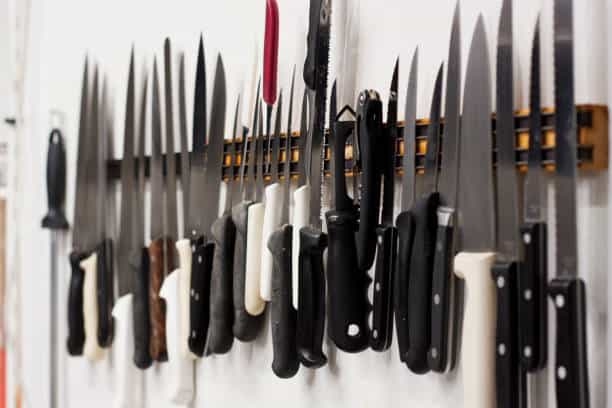
Store your steel in a dry location away from humidity sources like dishwashers or sinks. High humidity accelerates rust formation even on stainless steel models.
Keep the steel separate from other metal tools to prevent scratches on its surface.
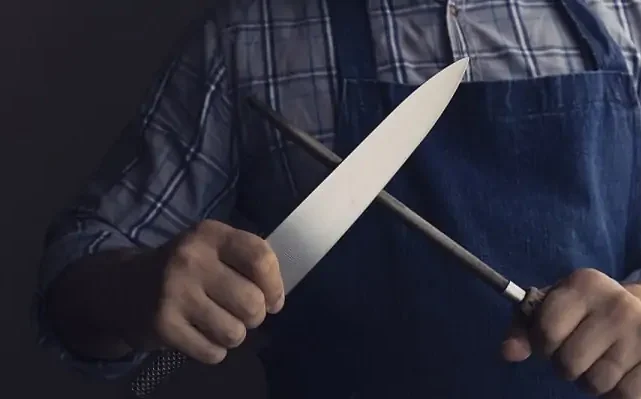
A worn sharpening steel loses its ability to maintain knife sharpness. You’ll notice your knives staying dull longer or requiring more passes to achieve the same edge.
Replace your steel when you see these signs:
Check your steel’s condition every few months by running your finger along its surface. A good steel feels uniformly textured without rough spots or smooth worn areas.
Quality steels last 3-5 years with regular home use. Professional kitchens may need replacement every 1-2 years due to heavy usage.
The steel’s effectiveness directly impacts your knife blade maintenance. A damaged steel can actually dull your knives faster than leaving them unsharpened.
Replace ceramic or diamond-coated steels immediately if you notice any chips or coating wear. These materials don’t degrade gradually like traditional steel.
Cleaning knife sharpening steel means removing metal particles and buildup that reduce effectiveness. Most cleaning can be done with simple household items like vinegar or mild detergent.
Start by wiping your sharpening steel with a dry cloth after each use. This removes metal particles before they build up on the rod.
For deeper cleaning, dampen a cloth with vinegar and wipe the entire rod until all particles are gone. Follow with a dry cloth to remove moisture.
You can also use warm water with mild alkaline detergent. Scrub gently with a plastic brush to remove stubborn particles.
Never use metal brushes as they can damage the rod’s surface. Always dry completely after cleaning to prevent rust.
Clean your sharpening steel after every use with a dry cloth. This prevents metal particles from building up and clogging the rod’s abrasive surface.
Do a deeper cleaning with vinegar or detergent once a week if you use it daily. Heavy users may need more frequent deep cleaning.
Metal particles accumulate and fill the abrasions on the rod, making it smooth and less effective. Regular cleaning prevents this buildup.
White vinegar is the most effective household cleaner for sharpening steel. It removes metal particles and prevents corrosion without damaging the rod.
Mild dish soap works well for basic cleaning. Mix it with warm water and use a soft cloth or plastic brush.
Avoid bleach, acidic cleaners, or harsh chemicals. Detergents with acidic properties can corrode your sharpening steel and cause damage.
Baking soda mixed with water creates a gentle abrasive paste for stubborn buildup. Always rinse thoroughly after cleaning.
Hold the steel firmly by the handle to prevent slipping. The rod can be sharp and cause cuts if handled carelessly.
Wipe along the length of the rod, not across it. This reduces the risk of cutting yourself on the abrasive surface.
If sterilizing with heat, let the rod cool completely before handling. Hot metal can cause burns and may damage the handle.
Store your cleaned steel in a dry place away from children. Use a knife block or magnetic strip for safe storage.
Light rust can be removed with white vinegar. Soak a cloth in vinegar and rub the rusted areas gently.
For heavier rust, make a paste with baking soda and water. Apply it to the rust spots and scrub with a plastic brush.
Very fine steel wool can remove stubborn rust, but use it sparingly. Too much scrubbing can damage the rod’s surface.
If rust has deeply pitted the steel, replacement may be necessary. Prevention through proper drying and storage works better than rust removal.
Your steel needs cleaning when it feels smooth instead of slightly rough. Metal particles fill up the abrasions and reduce effectiveness.
Visible metal dust or particles on the rod show buildup. Dark spots or discoloration mean debris has accumulated.
If cleaning doesn’t restore the rod’s texture, you should replace it. Deep scratches, chips, or permanent smooth spots cannot be fixed.
Rust that returns quickly after cleaning shows the steel’s protective coating is damaged. A bent or loose handle also means you need a new sharpener.