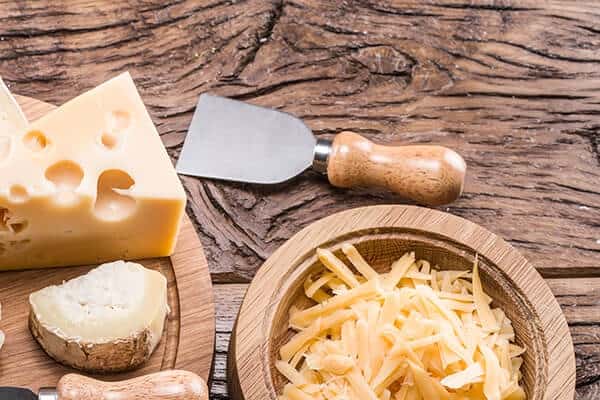




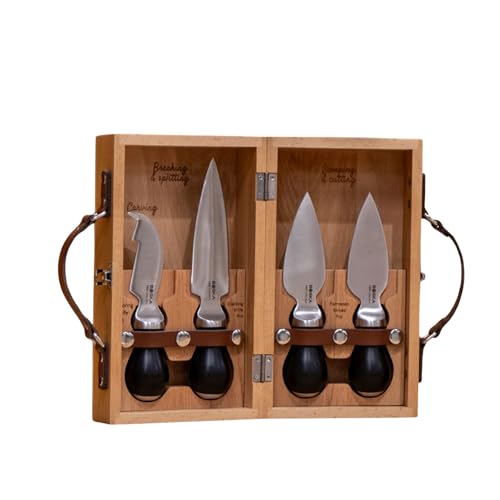




Everyone has their favorite type of cheese. Some people have a soft spot for brie, while others prefer cheddar. But what is the best cheese knife? The answer depends on the type cheese you are cutting, how you want to serve the cheese, and then finding a comfortable handle.
Here are my top picks for best cheese knives on the market.
Whether you host parties or enjoy cheese at home, the right tools make eating cheese easier. Different cheese knives work best for specific cheese types, from soft brie to aged cheddar. Quality sets include multiple blade styles and ergonomic handles made from durable materials like stainless steel or wood.
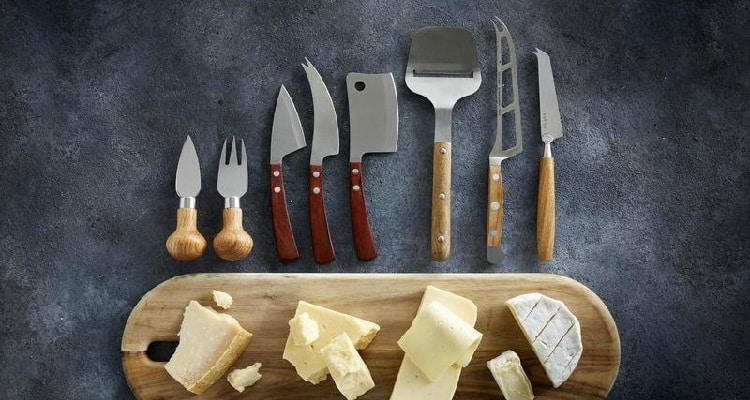
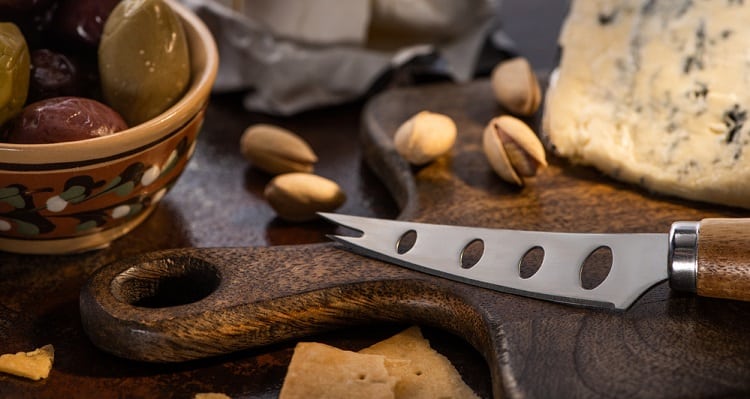
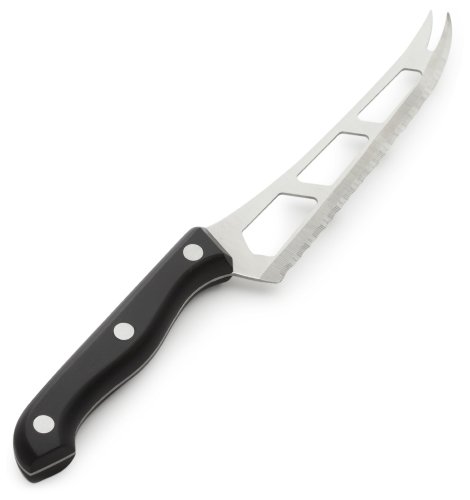
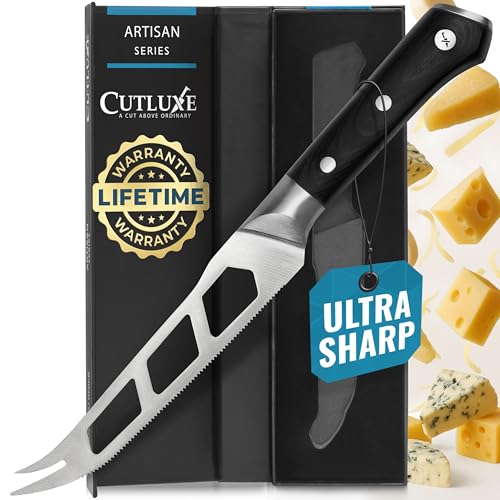
The soft cheese knife has holes in the blade to prevent sticky cheeses from clinging. Use this knife for soft cheeses like Brie, Camembert, and goat cheese.

The hard cheese knife is designed for cutting aged hard cheese typically found in wheels or wedges. This knife works well for aged Cheddar, aged Gouda, and Parmesan.
Look for a long straight blade that can easily pierce through any type of cheese without breaking it apart. One side often has handles built-in so you can apply even pressure as you slice into your newly formed cheese piece.

When you need to cut a piece of cheese and then pick it up with the prongs at the end for serving or plating, getting your hands on the pronged cheese knife is an absolute must.
This multipurpose tool allows you to slice through soft cheeses like Brie without sticking while still retaining enough length in its blade for slicing tougher Parmesan varieties.

The slim blade knife has minimal surface area to reduce sticking. Its fine blade works best for creamy cheeses that cling to regular knives.
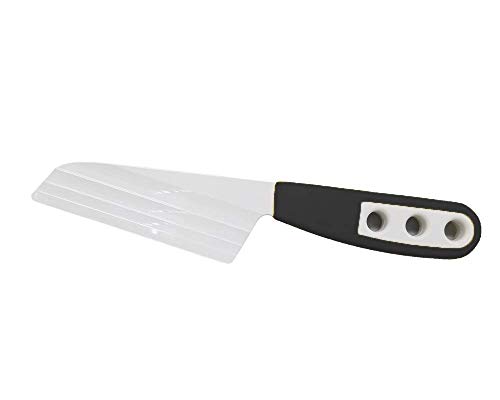
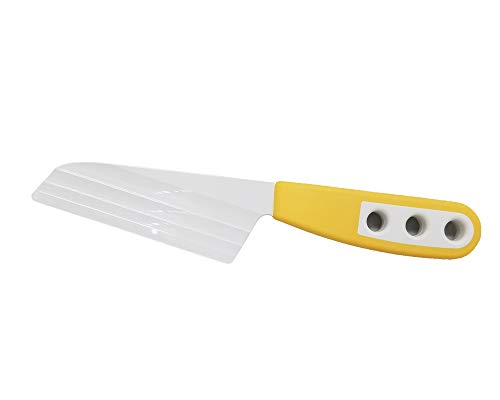
A cheese spreader is a knife designed for applying creamy, soft cheeses like Robiola or Stracchino to slices of bread and crackers. The blade has no sharp edges so it doesn’t cut the surface of softer types of cream cheese as you make your way across its face with liberal globs.

A cheese slicer, or chisel as it is referred to in culinary lingo, has a wide flat blade that enables you to cut even slices of semi-soft cheeses like Provolone and Swiss. It also features an edge at the bottom for cutting down thin wedges if desired.

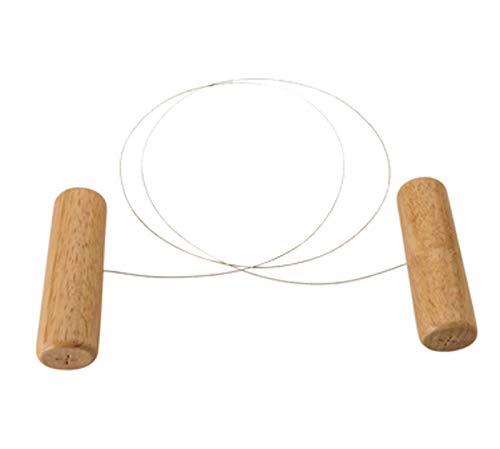
The cheese wire creates clean slices through semi-soft cheeses. Place the cheese on a cutting board and slice downward. This tool makes perfect rounds from fresh Mozzarella.
A good cheese knife set includes 4-6 blade types. Choose sets that cover soft, hard, and semi-soft cheeses.
Essential knives in your set should include:

Blade quality matters for clean cuts. Stainless steel blades stay sharp longer and resist corrosion from acidic cheeses. Sharp edges prevent crushing delicate cheese.
Handle design affects comfort. Offset handles keep your knuckles away from cutting surfaces. Non-slip grips give better control when cutting tough rinds.
Storage options keep knives organized and protected. Some sets include wooden blocks or magnetic strips. Others come with protective sheaths for each knife.
Handle materials affect grip and look:
| Material | Benefits | Best For |
|---|---|---|
| Wood | Natural grip, classic look | Traditional sets |
| Plastic | Easy cleaning, lightweight | Casual use |
| Metal | Durable, sleek design | Modern kitchens |
| Composite | Non-slip, comfortable | Heavy use |
Stainless steel is the top choice for cheese knife blades. This material resists staining and keeps sharp edges with regular use. High-carbon stainless steel keeps its edge even longer.
Wooden handles give excellent grip and traditional style. Popular woods include olive, bamboo, and hardwoods that resist moisture.
Ergonomic designs reduce hand fatigue. Pick handles that fit your grip. Textured surfaces prevent slipping when hands are wet or greasy.
One-piece construction gives maximum durability. These professional-quality knives don’t break at stress points between blade and handle.

Different cheese types need specific blade designs for best cutting. Soft cheese knives have holes in the blade to prevent sticky cheeses like brie and Camembert from clinging.
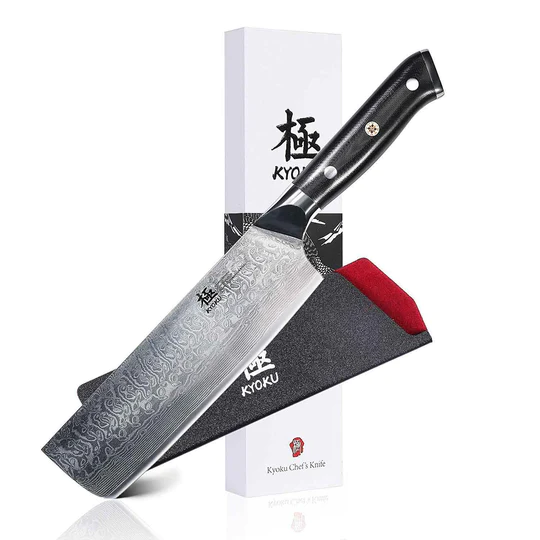
Hard cheeses need sharp, wide blades to slice through tough textures. A cheese hatchet or rectangular blade works best for Parmesan, Manchego, and aged Cheddar.
Your cheese board size decides how many knife styles you need. Small boards for two can use one versatile knife. Larger boards need multiple specialized tools.
Pick your cutting board material carefully. Wooden boards pair well with stainless steel blades. On marble boards, handle knives gently to avoid dulling edges.

Multi-piece cheese knife sets offer great value for entertaining many guests. Choose sets with at least three blade styles: soft cheese, hard cheese, and serving fork.
Budget hosts can start with one high-quality versatile knife. Look for holes for soft cheese, sharp serrated edges for harder types, and forked tips for serving.
Professional-grade sets cost more but last longer and perform better. These sets suit serious cheese lovers and frequent hosts.
Match the gift to the recipient’s cheese preferences. Blue cheese fans benefit from wire cutters. Hard cheese lovers need sharp rectangular blades.

Wash cheese knives by hand to keep blades sharp and handles in good shape. Use warm soapy water and dry right away to prevent water spots and rust.
Store cheese knives in sheaths or on magnetic strips to keep edges sharp. Drawer storage can damage blades when they hit other utensils.
Sharp blades cut cleaner and need less pressure, protecting the cheese. Dull knives crush soft cheese and make ragged cuts in hard cheese.
Replace knives when handles crack or blades chip. Quality stainless steel knives can last decades with proper care, making them a good investment for cheese lovers.
Choosing the right cheese knives means knowing about blade materials, design features, and care. Different cheese textures need specific knife styles for clean cuts without damage.

Pick stainless steel blades that resist rust and stay sharp. The handles should feel comfortable and balanced.
Quality cheese knives have sharp, sturdy blades for thin slices without crumbling hard cheese. The construction should feel solid and stable.
Choose sets with multiple knife styles for versatility. A good set covers soft, semi-hard, and hard cheese cutting needs.
Soft cheeses like Brie and goat cheese need knives with holes or hollows. These air pockets prevent sticking and make clean cuts without squashing the cheese.
Hard cheeses need sharp, wide blades to cut firm surfaces. Mini-cleaver styles work best for Parmesan and aged Manchego.
Semi-soft cheeses work well with thin, pointed knives. These handle Gouda and Havarti without sticking.
Blue cheeses benefit from wire cutters. The narrow wire cuts cleanly through mixed textures without dragging.
Stainless steel gives the best mix of durability and easy care. It resists stains and keeps an edge with regular use.
Carbon steel is sharper but needs more care. It can develop patina if not dried after washing.
Handles should be non-porous and easy to clean. Wood looks good but needs hand washing. Plastic handles are dishwasher safe.

Blade holes and hollows reduce surface contact with cheese. This prevents sticking and allows cleaner cuts through soft cheese.
Serrated edges help cut tough rinds on aged cheeses. The saw-like edge breaks through outer layers without crushing the inside.
Offset handles keep your knuckles away from the cheese. This design gives better control and prevents contact with sticky textures.
Forked tips let you pick up and serve cheese pieces, so you don’t need separate serving utensils.
Start with a multi-use knife with holes in the blade and forked tips. This versatile tool works for many cheese types.
Add a spreader for soft cheeses. Look for one with serrated edges that can also slice semi-firm cheese.
Include a hard cheese knife or mini-cleaver for aged varieties. The sturdy blade handles tough cheese that would damage lighter knives.
Consider a cheese plane for thin, even shavings. These tools create delicate curls from hard cheeses.
Wash cheese knives by hand right after use with warm soapy water. Remove cheese residue before it dries on the blade.
Dry knives completely before storing to prevent water spots and corrosion. Pay attention to crevices or joints where moisture can collect.
Store knives so the blade edges stay protected. Use knife blocks, magnetic strips, or blade guards to keep them from touching other utensils.
Sharpen knives regularly with the right method for the blade type. Take very dull blades to a professional sharpening service.