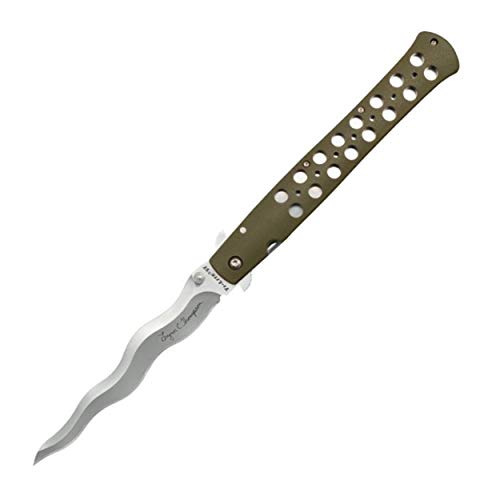




Kris knives and swords are distinctive and mysterious bladed weapons, combining deadly effectiveness with deep spiritual significance The wavy blades and ornate handles served as both weapons and sacred objects, believed to possess magical powers that could bring good or evil to their owners.
Whether you’re interested in their combat uses, collecting authentic pieces, or learning about their cultural significance, these blades offer a window into centuries of Southeast Asian craftsmanship and beliefs.
The Kris is an Asian asymmetrical dagger or sword with distinctive blade-patterning created through alternating layers of iron and nickelous iron.
You’ll find Kris blades throughout Indonesia, Malaysia, and the southern Philippines, where they were once essential parts of daily dress much like samurai swords in Japan. The Indonesian Kris has maintained its sacred status from ancient courts to modern times, earning UNESCO recognition for its cultural importance.

The Kris serves multiple purposes beyond being a weapon. You’ll find it used as a spiritual object, ceremonial accessory, and symbol of social status. Many people believe Kris blades have magical powers, with some bringing good luck and others carrying bad fortune.
Three main components make up every kris:
Each part represents a piece of art. Craftsmen often carve them in detailed patterns using various materials like metal, rare woods, gold, or ivory.

You’ll encounter different names for this weapon depending on the region you visit. In English, both singular and plural forms often use Kris. In Javanese, the weapon is called Keris in casual speech and Dhuwung in formal language.
Regional names in Asia include:

Kris blades are famous for their distinctive wavy design, though many feature straight blades as well. The wavy blade creates the weapon’s most recognizable characteristic.
Key blade features include:
The blades feature unique pamor patterns. Master smiths created these complex designs by layering iron and nickelous iron. The blade’s pamor patterns represent one of its most sophisticated elements. Craftsmen achieve these intricate patterns by alternating layers iron and nickelous iron during forging.
You’ll find approximately 60 different dhapur (blade forms and designs) and 250 pamor variants (metal alloy decoration patterns). This variety means each Kris blade carries unique characteristics.
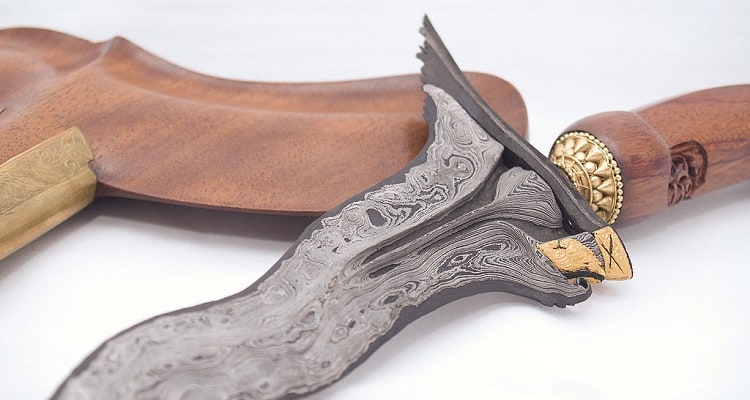
Kris blades fall somewhere between a long knife and short sword in terms of size. The extra length and weight provide reach advantages while maintaining reasonable control in close combat situations.
The narrow blade design with sharply tapering edges makes the Kris particularly effective as a thrusting weapon. Materials range from traditional iron and steel to more exotic options like wood or gold in ceremonial pieces.
Collectors must pay close attention to craftsmanship and authenticity markers. You should examine pamor patterns, which flow naturally and never appear acid-etched.
Key authentication factors:
Price ranges vary significantly:
| Type | Price Range |
|---|---|
| Antique (pre-1900) | $2,000-$20,000+ |
| Modern artisan | $500-$5,000 |
| Tourist replicas | Under $100 |
Museums like Muzium Negara in Kuala Lumpur and Sonobudoyo in Yogyakarta hold exceptional collections. Master smiths in Solo, Java and Terengganu, Malaysia continue making authentic pieces using traditional techniques.
You must verify local laws before importing antique Kris, as some countries restrict these imports. Reputable auction houses like Bonhams Auctions often feature authenticated pieces in their Southeast Asian art sales.

The Kris knife originated in Java during the 9th-10th centuries and evolved into one of Southeast Asia’s most significant cultural weapons. This distinctive asymmetrical dagger spread from Indonesia across the Malay Peninsula, becoming deeply embedded in royal courts and spiritual practices throughout the region.
The Kris first appeared on the island of Java during the Hindu-Buddhist period. You can see early renderings of Kris on the Borobudur temple and Prambanan temple in carved reliefs and bas-relief panels.
Initial designs were straight blades that gradually evolved into the wavy forms you recognize today. The Majapahit empire (1293-1500 CE) played a crucial role in developing and distributing these weapons throughout their territory.
The 15th century marked the Kris’s golden age under the Malacca Sultanate. During this period, the weapon became royal regalia with distinct Malay styles emerging in regions like Patani and Terengganu.
Portuguese and Dutch colonial records show the Kris became a symbol of resistance during this era. Local fighters used these weapons in guerrilla warfare against colonial forces.
The Kris transitioned from combat weapon to ceremonial heirloom during the 19th century.

Spiritual Beliefs
In Indonesian and Malaysian cultures, people consider Kris knives more than weapons. The Majapahit empire believed these swords possessed mystical properties, representing bravery, authority, and beauty.
Many believe each Kris has semangat (spirit). Some blades bring good luck while others carry negative energy. Owners perform ritual cleansing and make offerings to their Kris.
Royal Heritage
The Kris became deeply embedded in royal courts across both Indonesia and Malaysia. Both countries feature the Kris in their national coats of arms and military insignia.
| Region | Key Features |
|---|---|
| Java | Elaborate pamor patterns, longer blades up to 50 cm |
| Malaysia | Distinct hilt styles, regional decorative elements |
| Southern Philippines | Local adaptations with indigenous influences |
| Southern Thailand | Malay-influenced designs in border regions |
The Kris spread from its Javanese birthplace throughout the Indonesian archipelago. Different regions developed their own distinctive styles and manufacturing techniques.
Modern Distribution
Today, you will find authentic Kris daggers and ceremonial pieces throughout Southeast Asia. The Kris remains indigenous to Indonesia, Malaysia, Brunei, southern Thailand, and the southern Philippines.

Kris blades now represent sovereignty and identity in Malaysia, Indonesia, Thailand, and the Philippines. They are also a national symbol featured in Malaysian and Indonesian coats of arms, and they appear in government buildings and military insignia.
Many families pass down ancestral Kris as heirlooms. Owners believe these weapons possess semangat or protective spirits.
Modern ceremonial uses include:
Traditional smiths in Solo, Java, and Terengganu, Malaysia, still produce high-quality pieces using centuries-old techniques.
The Kris stands out because of its wavy blade design and careful construction methods. Master craftsmen use high-quality steel and follow traditional forging techniques that have been passed down for hundreds of years.
The distinctive wavy blade makes a Kris different from other knives and swords. This serpent-like curve is not just for looks.
The wavy design helps you deliver more damage when you slash or thrust. The curves create multiple cutting edges along the blade length.
Most Kris blades have between 3 to 25 waves, called luk. Each wave adds to the blade’s cutting power. The curves also make the blade stronger by spreading stress along its length.
Straight Kris blades also exist but are less common. These are called kris bener and are used for different fighting styles.
The blade construction uses a technique called pattern welding. This creates beautiful designs on the metal surface called pamor. These patterns can look like rice grains, feathers, or flowing water.
| Material | Use | Benefits |
|---|---|---|
| Hardwood | Main handle body | Durable and comfortable |
| Horn | Decorative inlays | Beautiful patterns |
| Ivory | High-status pieces | Shows wealth and skill |
| Metal | Ferrules and caps | Strengthens weak points |
Traditional Kris makers use high-carbon steel for the blade core. This steel holds a sharp edge and can be heat-treated well.
The best Kris blades combine different types of metal:
Modern Kris makers sometimes use stainless steel. However, most still prefer traditional carbon steel for authentic pieces.
Blade smiths use meticulous forging processes that require years to master. The smith starts by selecting the right steel and preparing the forge.
The smith heats the metal to precise temperatures. If the steel gets too hot, it burns. If too cool, it won’t shape well.
Pattern welding creates the beautiful designs on kris blades. The smith twists and folds different metals together. Complex patterns can take weeks to complete.
Next, the smith heat-treats the blade by heating and cooling it in specific ways. This process hardens the edge and keeps the spine flexible. The final step is polishing and sharpening. Masters spend days perfecting the edge and finish.
Kris knives carry spiritual meaning and serve as both weapons and cultural symbols across Southeast Asia. These blades need specific care and present unique legal issues for collectors worldwide.
Authentic Kris blades have natural pamor patterns that flow seamlessly through the metal. These patterns never look artificially etched or forced.
The hilt fits tightly without modern adhesives or glue. Traditional construction methods create seamless connections between blade and handle.
Real Kris blades show natural patina from age, not artificial rust or corrosion. The aging process creates unique color patterns.
Hand-forged pamor patterns look very different from mass-produced replicas. Authentic patterns show irregular but harmonious flow throughout the blade. The blade’s asymmetrical base should be wide and distinctive. The narrow tang must fit properly into the carved handle.
Authentic Kris weapons usually measure 30-38 cm in blade length. Total length ranges from 45-50 cm including the handle.
The Kris dates back to the 9th century in Java. The distinctive asymmetrical dagger shows centuries of Malay metallurgical skill and spiritual belief.
During the 15th century, the Kris reached its golden age under the Malacca Sultanate. The weapon became royal regalia with distinct Malay styles in different regions.
In colonial times, the Kris symbolized resistance against Portuguese and Dutch rule. Warriors used these weapons in guerrilla warfare from the 16th to 18th centuries.
In Malaya and Southern Philippines, the Kris was part of the dress code like samurai swords in old Japan. Every man owned at least one Kris.
In the 19th century, the Kris became more of a ceremonial heirloom. Islamic motifs and Quranic verses appeared on blades during this period. UNESCO recognized the Kris as intangible cultural heritage in 2005. This helped revive interest among traditional smiths and martial artists.
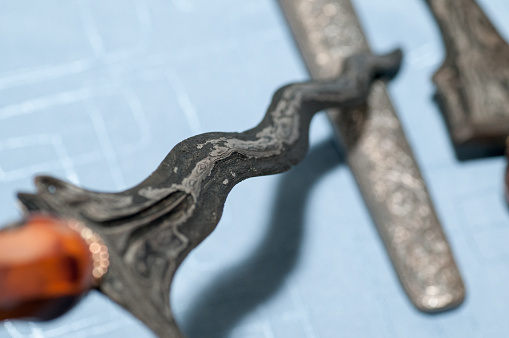
The Kris serves as weapon, status symbol, and spiritual talisman. These three roles remain connected in traditional culture.
As a weapon, the wavy blade design creates serious wounds in combat. As a status symbol, royal Asian families pass down Kris weapons as inheritance symbols. These heirlooms carry family history and spiritual protection.
Many people believe Kris blades also possess semangat or spirit. Jinn spirits often feed on scent, so owners regularly anoint the blade with aromatic oils.
The Kris holds deep meaning in Filipino blade arts, with every wave and carving representing specific concepts. Handle decorations often tell family stories. In martial arts, the Kris teaches close-quarters combat techniques. Silat practitioners use it to develop thrusting skills.
Kris blade shapes range from straight lurus designs to wavy patterns with 3-13 curves. Each curve number has specific spiritual meaning.
Handle materials include carved wood, horn, ivory, or precious metals. Regional preferences decide which materials appear most often. Sheath styles include Javanese Gayaman and Malay Bugis designs. Wood choices include ebony and sandalwood with metal inlays.
The regional differences include:
Do your research before buying or traveling with Kris weapons. Some countries restrict antique Kris imports. Many areas classify Kris weapons as prohibited knives or daggers, and blade length restrictions can apply.
Antique documentation can affect legal status. Provenance papers may provide exemptions for historical pieces.
International shipping needs special permits and declarations. Customs officials often require detailed descriptions and value assessments.
Museum pieces and ceremonial items may receive different legal treatment. Educational or cultural purposes sometimes allow exemptions.
Handle the weapon as little as possible to preserve its natural patina. Frequent touching can wear away protective surface layers.
Oil the blade lightly every few months to prevent rust. Use traditional oils like coconut or modern rust preventatives.
Clean the blade gently with a soft cloth and suitable metal polish. Avoid harsh chemicals that can damage pamor patterns. Then store the Kris in its traditional wooden sheath when not displayed. Proper storage prevents moisture damage and accidental contact.
Keep the handle and sheath away from extreme temperature changes. Wood and metal expand at different rates, which can cause damage.