






No matter how great a knife is, there comes a time when you will need to replace it with a new, sharper knife. However, throwing out old knives takes a bit of thought.
Old knives can easily cut through trash bags and injure sanitation workers if you don’t handle them with care. You could also end up cutting yourself.
Before you toss your old knife, prep the blade so no one gets injured. Wrapping blades in several layers of newspaper covers up the sharp edges.
Grab these supplies first:
Wrap each blade separately in a few layers of paper. Tape it up well so nothing slips off. Then cut a piece of cardboard twice as long as your biggest knife. Fold it over the wrapped knives and tape it shut.
Put the cardboard-wrapped knives in a sturdy box. Seal the box with tape and write “SHARP OBJECTS” in big letters on the outside.
Instead of wrapping your kitchen knives with paper, you can cut open a used plastic bottle that is about the same size as the knives you want to dispose of. This is an excellent method for small-sized knives.
Conceal the old knife in the bottle and wrap the bottle with heavy-duty tape before disposing of it. You can also label the plastic container with a “Caution: Sharp” warning message. This will alert anyone handling your trash to treat the bottled knife with care.
The best plastic bottles to use are your regular pet drinks bottles, water bottles, bleach bottles, coffee cans, and any other kind of bottles that is large enough to conceal your unwanted knife.
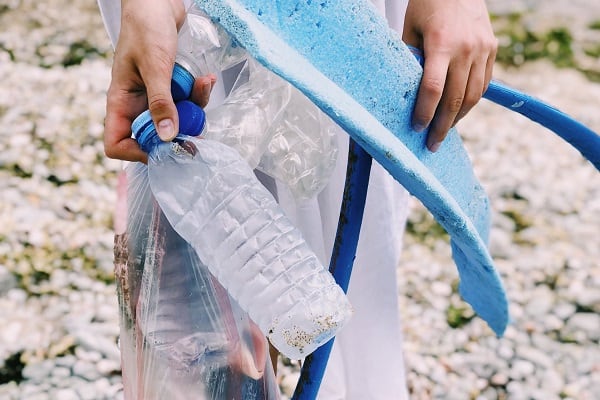
Many recycling centers are happy to receive your knives. If your knife is made with solid steel or aluminum, try depositing it a nearby recycling center.
Recycling is more environmental-friendly than just discarding or burying your unwanted blades. Old knives can then be melted down to produce better knives or other useful items.

Hazardous waste facilities are the safest bet for knife disposal. These centers know how to handle dangerous items and have the right gear for storing sharp objects.
Some facilities take knives during their normal hours, while others only accept them on special collection days for hazardous materials.
Some knife brands offer take-back programs for old cutlery. If you know the brand check the manufacturer’s website to see what they offer.
And some sharps programs let you mail in knives or drop them off at special collection spots. This is handy if you can’t find a place nearby your home.
Mail back programs usually give you detailed instructions and containers. Stick to their rules for packing and shipping to keep everyone safe.
You might need:

Some organizations will take kitchen knives if they’re still in decent shape. Community kitchens, food banks, and homeless shelters often need cooking tools.
Where to try donating:
Many towns hold hazardous waste collection days where you can drop off kitchen knives. These events usually happen a few times a year.
Reach out to your local waste office for event dates. They’ll tell you exactly what you can bring.
Some police departments run knife amnesty programs—no questions asked, just drop them off. Local hardware stores may also have tool recycling drives..
People have plenty of questions about safe knife disposal. Here are some common ones about wrapping, recycling, and community resources.
The safest way is to wrap the knife tightly in newspaper or bubble wrap and put it in a sturdy cardboard box or plastic container.
Wear protective gloves when handling the knife while prepping. Use strong tape so the blade can’t poke through.
Label the package as “Sharp Object” or “Knife Inside” to warn sanitation workers. This step really helps avoid accidental injuries during trash pickup.
Never toss loose knives in the trash. The extra effort keeps you and sanitation workers safe.
Use thick newspaper or old cloth to wrap the blade. Tape the wrapping securely so it stays put.
Put the wrapped knife in a hard container like a cardboard box and tape it shut.
Write a clear warning on the outside—big, bold letters: “SHARP” or “CAUTION: KNIFE INSIDE.”
Call your local waste management to ask about any special disposal rules. Some areas have their own requirements for sharp objects.
Many recycling centers take metal knives if you prep them right. Check with your local facility first to be sure.
Clean the knife to remove food bits before recycling. If you can, take off any plastic or wooden handles.
Wrap the clean blade in thick cardboard. Use gloves or tongs for safety while handling.
Some centers want you to sort metals. Stainless steel knives usually go with other steel items.
Some communities have special collection programs for metal or hazardous waste, and they often take kitchen knives.
Your local hazardous waste center probably accepts knives. Staff there know how to handle sharp stuff safely.
Some community workshops or art programs will take usable knives for projects. Try local schools or centers for donation ideas.
Got antique knives? Check with your local museums or historical societies—they might be interested.
Yes, you can put dull or broken knives in the trash if you wrap them up really well and label them. Just take extra care when prepping.
Wrap each piece of a broken knife separately in thick cardboard or several layers of newspaper.
Even dull knives can cut someone, so treat them carefully.
Put all the wrapped pieces in a strong container and clearly mark it before tossing it in the trash bin.
First off, give the knife a good cleaning so there’s no food or grease left on it. Dry it well—nobody wants rusty stains showing up later.
Wear protective gloves during all handling steps to lower your risk of getting cut. Always keep the blade pointed away from you. Sounds obvious, but it’s easy to forget.
Wrap the blade up tight in a few thick layers of newspaper or cloth. Don’t leave any sharp edges poking out.
Grab some heavy-duty tape and secure the whole thing, so nothing slips out. Give it a gentle press—if the blade can’t poke through, you’re good to go.