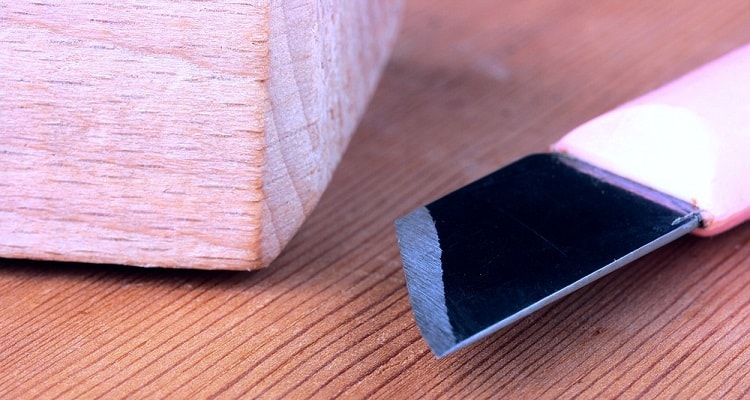



The Kiridashi knife has a simple design with a sharp, single-bevel angled blade. Traditional Japanese craftsmen developed this knife to mark wood joints, score cutting lines, and make detailed cuts in their projects.
The knife’s compact size and sharp edge make it perfect for detailed work that needs control and precision. Modern Kiridashi knives are used by woodworkers for marking and scoring. Craftspeople use them for leather work, paper cutting, and general utility tasks.
We tested dozens of Kiridashi knives to find the top options for marking, carving, and precise cutting tasks. Our picks below offer sharp blades, comfortable grips, and reliable performance for both beginners and experienced users.
When shopping for Kiridashi knives, avoid knives with loose handles or uneven grinds. Also check that the blade sits straight in the handle. The edge should look smooth without chips or gaps.
Carbon steel Kiridashi blades hold sharp edges well however they need more care to prevent rust. Stainless steel blades resists rust better but may not stay as sharp.
Look for handles that feel good in your hand. Wooden handles give a traditional feel and good grip. Metal handles last longer but can be slippery when wet. Some knives have wrapped handles with cord or leather for better grip.
| Blade Length | Best For |
|---|---|
| 2-3 inches | Detail work, marking |
| 3-4 inches | General wood carving |
| 4+ inches | Heavy cutting tasks |

This Japanese Kiridashi knife delivers exceptional sharpness and comfort at a fair price for precise cutting and marking work.
Pros
Cons
We tested this Kiridashi knife on various materials and found it cuts through paper, leather, and soft wood with minimal pressure. The blade stayed sharp even after a week of daily use. The wooden handle provides a good grip without causing hand fatigue.
The included sheath protects the blade well and clips easily to a pocket or tool belt. We appreciate how the sheath design lets us pull the knife out with one hand. The partial bolster adds safety during sharpening work.
This knife excels at detail work like marking dovetail joints and trimming thin materials. The straight-back blade shape gives us good control for precise cuts.
The craftsmanship shows in the hand-polished finish and solid construction. We noticed the blade holds its edge longer than cheaper alternatives. For the price, this Kiridashi offers excellent value for woodworkers and crafters who need a reliable marking knife.

This Japanese Kiridashi knife delivers excellent performance for detailed carving and marking tasks at a reasonable price point.
Pros
Cons
We found this Kiridashi knife excels at detailed craft work. The blade comes razor-sharp right out of the box and cuts through paper, fabric, and thin wood with ease. Its performance surpasses typical hobby knives for intricate projects.
The brass construction gives it an attractive appearance, but the soft metal limits its durability. We noticed the brass handle can dent if you apply too much pressure during use. The thin profile that makes it great for precision work also makes it fragile.
This knife works best for light marking and carving tasks. We struggled when trying to cut thicker materials or use it for general utility work. The short handle becomes uncomfortable during longer projects.
For detailed craft work and precision cuts, this Kiridashi knife performs well. Just remember its limitations and use it as a specialized tool rather than an all-purpose cutter.
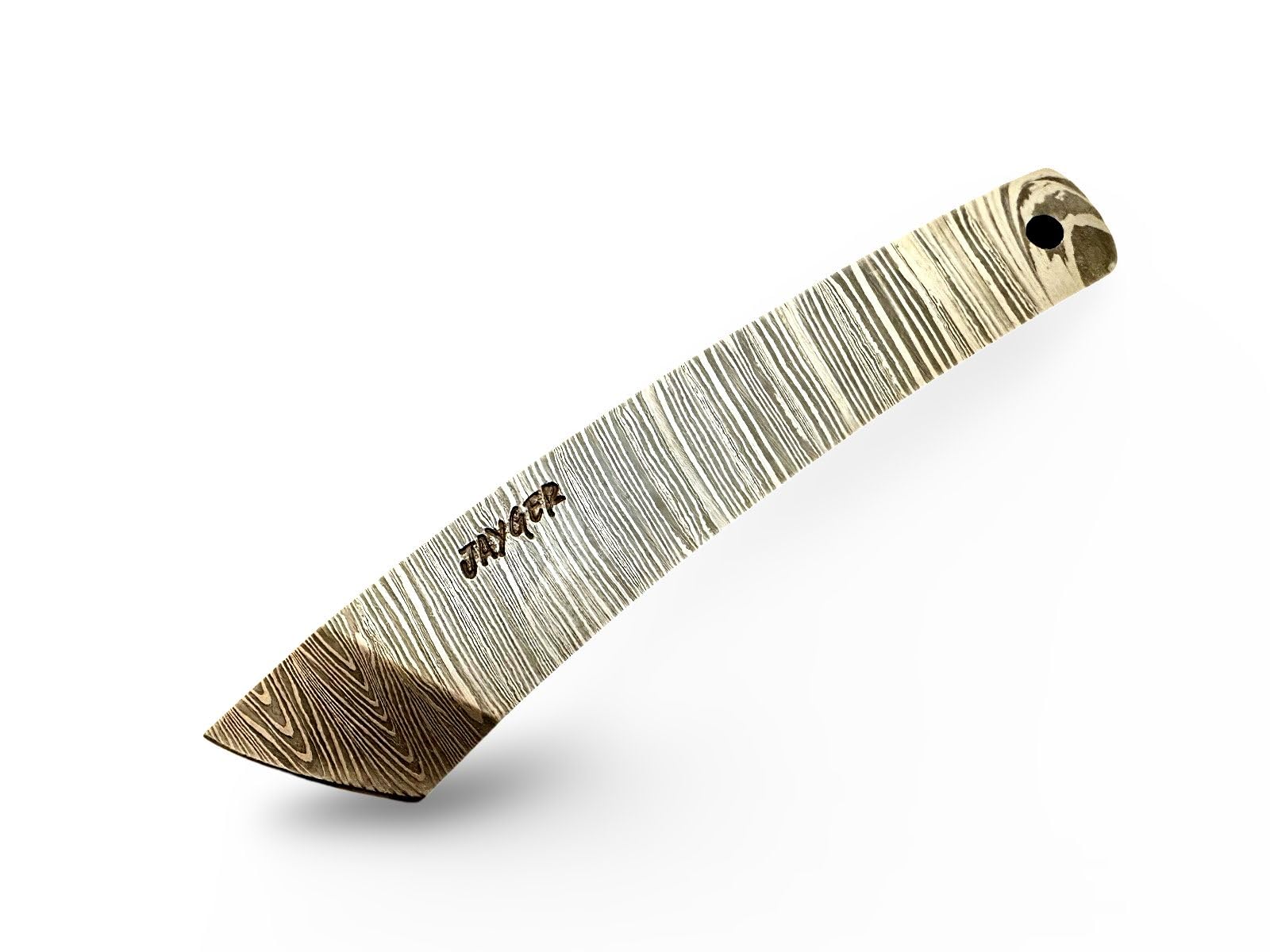
This knife works well for woodworkers who want a sharp, precise marking tool that also looks great on display.
Pros
Cons
We tested this Kiridashi on several woodworking projects and found the blade extremely sharp out of the box. The Damascus steel pattern adds both style and performance for precise layout work.
The knife feels balanced in hand. At 6.4 ounces, it feels sturdy but not heavy. We used it for scribing dovetail joints and marking cut lines on hardwood boards.
The full tang construction means the blade runs through the handle, giving us confidence for deeper scribe marks. It also works well for skiving thin strips on leather projects.
Maintenance takes effort since you need to hand wash and oil the blade often. The Damascus pattern shows fingerprints, so we keep a cloth handy. The blade stayed sharp through weeks of regular use without touch-ups.

This knife suits serious woodworkers who need precise marking and carving, but beginners should handle it carefully because of its sharpness.
Pros
Cons
This Kiridashi arrived extremely sharp. The blade slices through wood fibers with almost no pressure. It makes marking precise lines easy.
The curved design works for most woodworking tasks. We found it comfortable for scribing long lines and detailed carving. The hammered texture gives a secure grip, even with sweaty hands.
The handle gets uncomfortable after about 30 minutes of use. The thin profile puts pressure on the palm during longer projects. We also wish it came with a better sheath since the plastic one feels cheap compared to the high-quality knife.
The Japanese steel holds its edge well. We have used it for months without sharpening. The single bevel design makes sharpening easy when needed.

We recommend this knife for woodworkers and crafters who need precise cuts and want to use traditional Japanese tools.
Pros
Cons
We tested this Kiridashi on various materials and found it cuts through leather easily. The blade came razor-sharp out of the box, which impressed us but also demanded immediate respect. Our first few cuts were deeper than expected.
The hammered texture on the blade helps our fingers grip the knife during precise work. We noticed less slipping compared to smooth-bladed marking knives we’ve used before.
The single bevel design takes some getting used to. Our cuts naturally wanted to curve in one direction, especially when working with softer woods. Once we adjusted our technique, we made incredibly clean, precise lines that a pencil could never match.
We appreciate the traditional laminated construction. The hard steel edge backed by softer iron makes sharpening easier. The blade has held its edge through weeks of regular woodworking projects without any touch-ups.
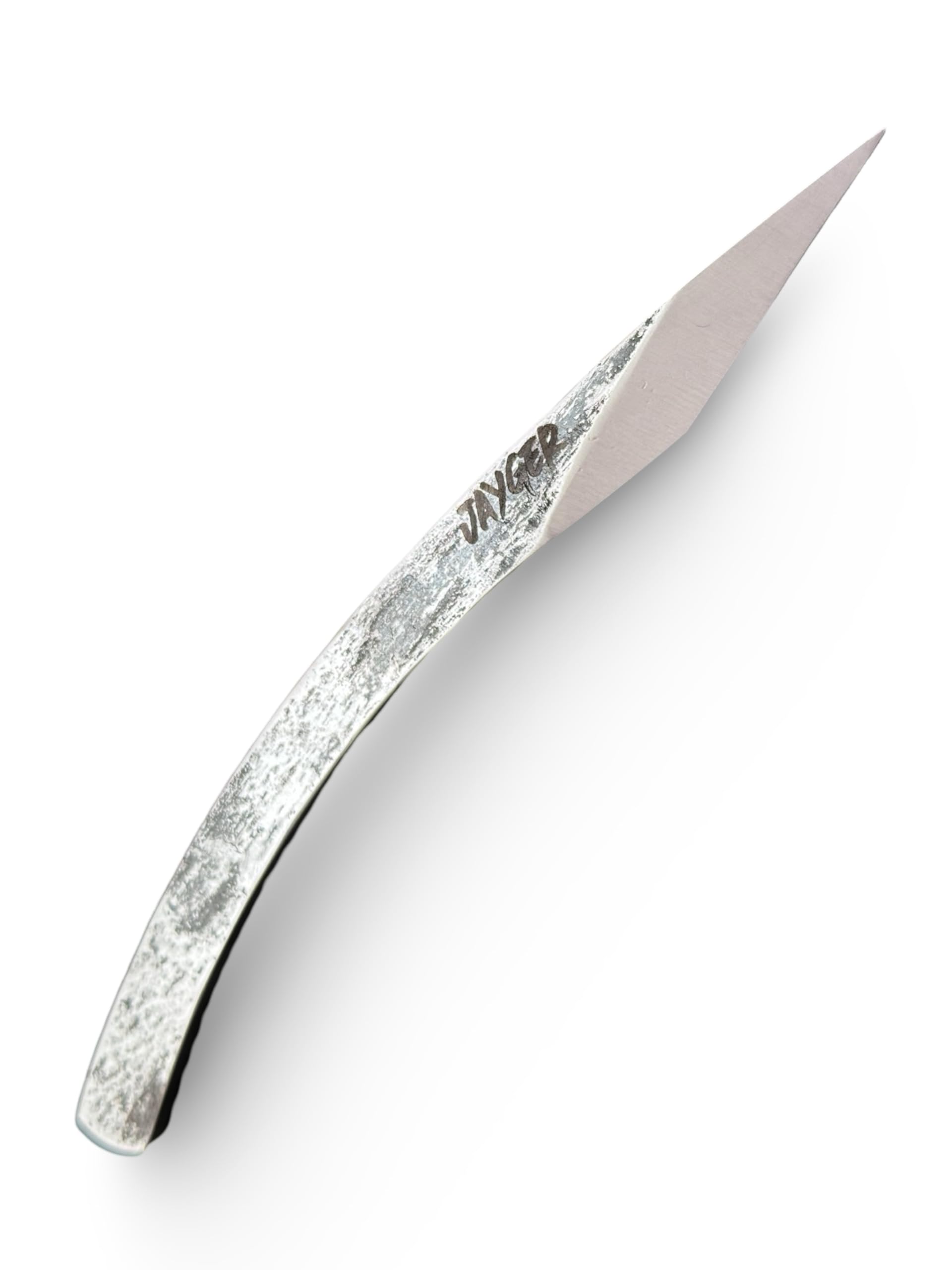
This knife arrives disappointingly dull and has design flaws that affect daily use.
Pros
Cons
We tested this Kiridashi expecting decent performance from the Damascus steel blade. The knife looks stunning with its traditional Japanese styling. However, our excitement faded quickly when we tried our first cuts.
The blade arrived so dull that we couldn’t slice through basic paper. We spent considerable time sharpening it before any real work could begin. The flat profile creates another problem—picking it up from our workbench becomes frustrating.
Despite these issues, the overall build quality shows promise. The Damascus steel feels solid in our hands. The compact design works well for detail carving once we got the edge sharp. The price makes it tempting for newcomers to traditional Japanese tools.
We hope the manufacturer addresses the sharpening and ergonomic issues. With better quality control, this could be a solid budget option for woodworkers and crafters.
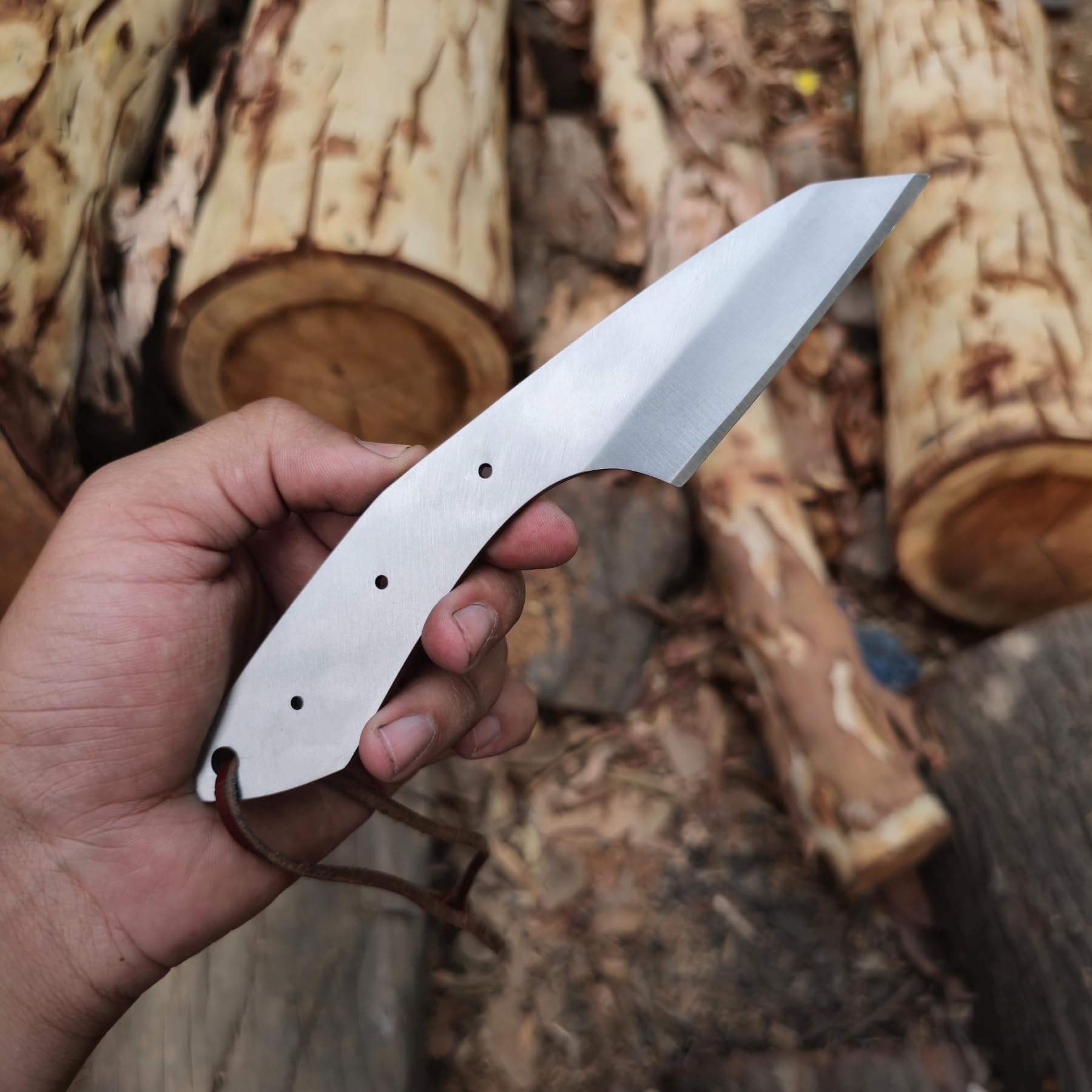
This Damascus steel Kiridashi offers impressive sharpness and versatility for woodworking, but the premium materials increase the price.
Pros
Cons
This Kiridashi knife works well for detailed woodworking projects. The Damascus steel blade stays sharp through many carving sessions. The 3-inch blade gives good control for marking lumber or shaping small pieces.
The knife feels balanced during extended use. The full tang construction provides stability when applying pressure. The included leather sheath protects the blade and prevents accidents in the tool collection.
This knife works best for people with experience using Japanese-style blades. The single bevel edge cuts differently than standard double-bevel knives. We had to adjust our technique for detailed work, but results improved with practice.
Carbon steel needs more care than stainless steel. We wipe the blade clean after each use and apply a light coat of oil for storage. This step prevents rust and keeps the edge sharp over time.
Since these are unique blades, they require a unique care routine to ensure that your blade stays in tip-top shape for years to come. Here are a couple of factors to keep in mind while caring for your new Kiridashi blade.

Kiridashi knives have characteristically super-thin blades. While this is excellent for small, precise cutting tasks, this can also make the blades more susceptible to breakage or busting. Therefore, it is important that you use these blades in conjunction with other knives for larger cutting jobs. Think of Kiridashi knives as finishing knives rather than knives used for making large cuts like a saw.
Any blade needs to be properly sharpened to ensure that it is working at maximum capacity. For the best results, use a utility knife sharpener that’s well suited for steel. Always make sure to practice basic knife safety while sharpening your Kiridashi blade.
To clean your knife, use a mild soap and warm water. Be sure you fully dry your blade before properly storing it to prevent rust build-up.
Kiridashi blades are unique in that oftentimes the blade and the handle are not separated by a bevel. Rather, they are continuous. While this is very sleek, it makes proper knife storage that much more important. Make sure you have a proper sheath for your Kiridashi knife for when your blade is not in use.
Kiridashi knives have single-bevel blades and simple handles made from steel or wood. These tools excel at precise marking and cutting in woodworking and leather craft.
Kiridashi blades have a rich, Japanese history which can often be identified by virtue of the blade’s unique name. As it turns out, “Kiridashi” translates to “carve-out” or “pointed knife” in Japanese. The beautiful blade serves as Japan’s general wood carving and outdoor utility knife.
Kiridashi blades are used as wood carving tools. The blade’s thin flexible design makes it very easy to slowly chip away unnecessary excess bark and wood from a branch or tree.
The Kiridashi blade also serves as a valuable all-purpose knife used for a variety of outdoor tasks. Its thin, refined blade makes the blade well-suited towards precision-based tasks.
A Kiridashi knife has a single-bevel blade for extremely precise cuts. The blade is flat on one side and angled on the other.
Most Kiridashi knives have simple wooden or steel handles. The handle design keeps the tool lightweight and easy to control.
The blade length usually ranges from 1 to 3 inches. This compact size makes detailed work easier.

Regular carving knives have double-bevel blades that cut from both sides. Kiridashi knives cut from only one side due to their single bevel.
The single bevel lets us make cuts that follow a straight line. Double-bevel knives often wander off the marked line.
Kiridashi knives work best for marking and light cutting. Carving knives are better for heavier wood removal.
The blades use high-carbon steel or tool steel for sharpness and edge retention. Some makers use stainless steel for rust resistance.
Handles are often hardwood like oak or cherry. Some models use steel handles for durability.
Traditional Japanese versions use white or blue paper steel. These steels hold sharp edges but need more care to prevent rust.
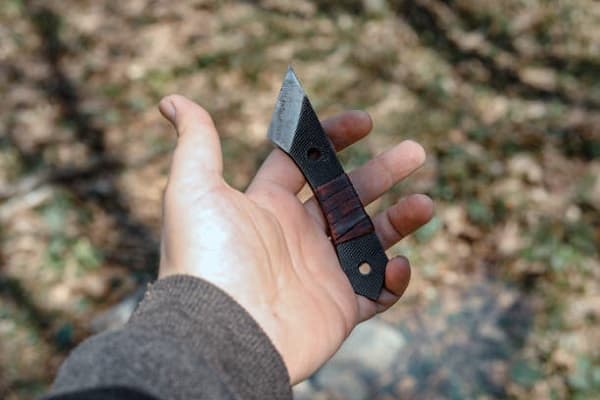
We use Kiridashi knives to mark cutting lines on leather. The sharp point makes clean, visible marks.
These knives cut thin leather pieces accurately. The single bevel keeps the blade from wandering during cuts.
Kiridashi knives also work for skiving leather edges. The flat side rides against the leather while the bevel creates the cut angle.
Sharp Kiridashi knives need regular honing on fine whetstones. We start with 1000-grit stones and finish with 4000-grit or higher. Only sharpen the beveled side of the blade. The flat side should stay flat for proper cutting.
Keep the blade clean and dry after each use. Apply a light coat of oil to prevent rust on carbon steel blades.